

June Newsletter
Summer Scent Edit, FDA Approves New Sunscreen Filter, Natural Tick Repellent, Pride Month!

Summer Scent Edit
Ingredient-transparent products that will summon all the good vibes, nostalgia and magic of summertime!
Why this matters? “Fragrance” on an ingredient label can be hiding thousands of undisclosed ingredients (including phthalates, parabens, formaldehyde releasers & more chemicals you likely don’t want to breathing in all day).
There is a lot of noise in the non-toxic living space. A lot of advice, opinions, hundreds of ingredients it feels like you need to remember, a part time job’s spent inspecting ingredient labels. After 3 years being on this journey, I have found that these two rules of thumb keep me in check:
When it comes to personal care products: avoid undisclosed “fragrance”
When it comes to home products or clothing: avoid anything plastic
That’s it!
Because adding fragrance and using plastics is the norm, I find that brands intentionally not doing this most likely are also intentional with their other ingredients / materials as well.
These are some summer scent collections from brands doing just that! ⬇️
Coconut
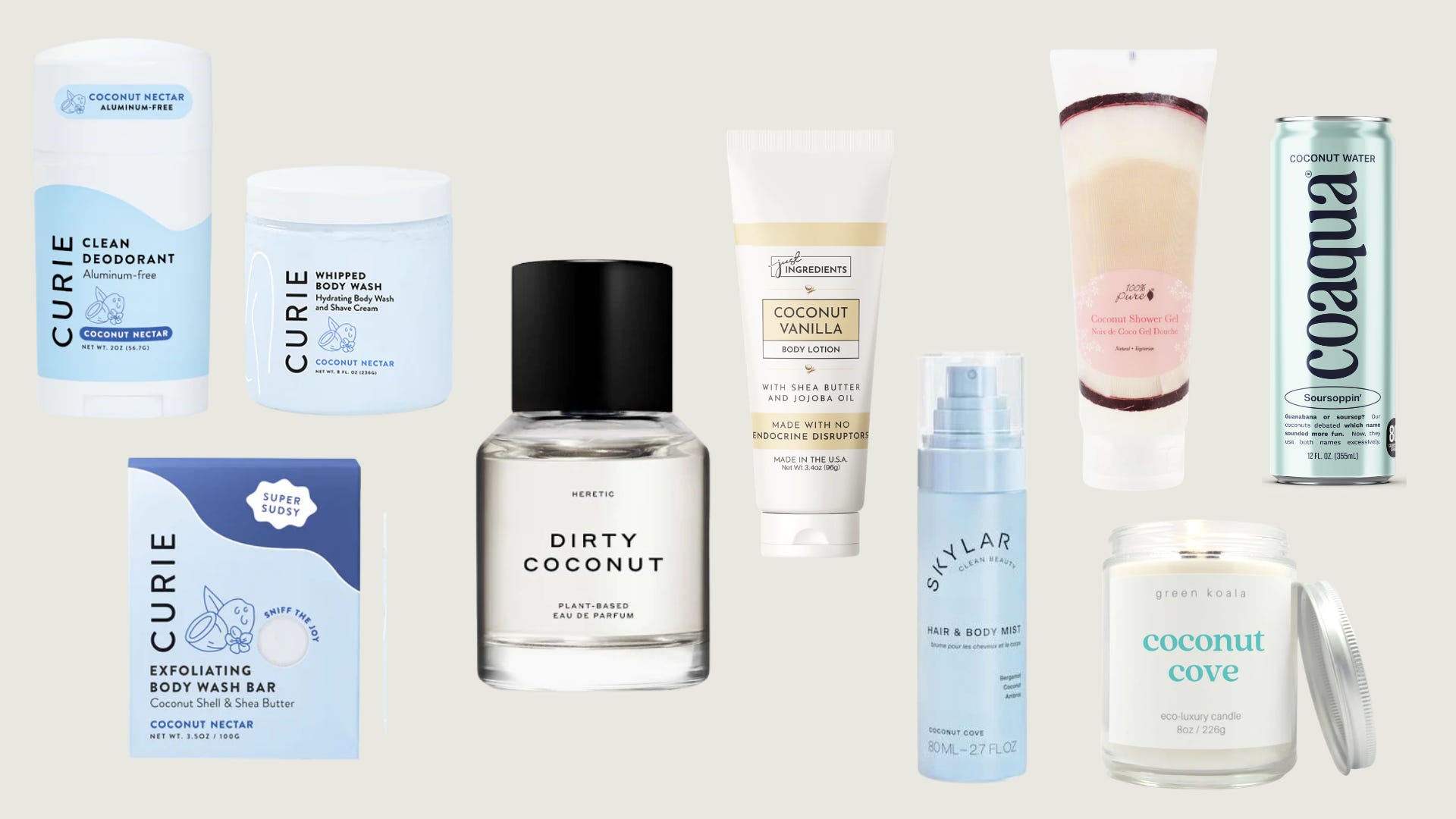
It’s giving: surf shop, beach classics, roof-off sunset drives
Just Ingredients Coconut Vanilla Bodycare Collection (15% code: detoxyourdome)
Fruity:
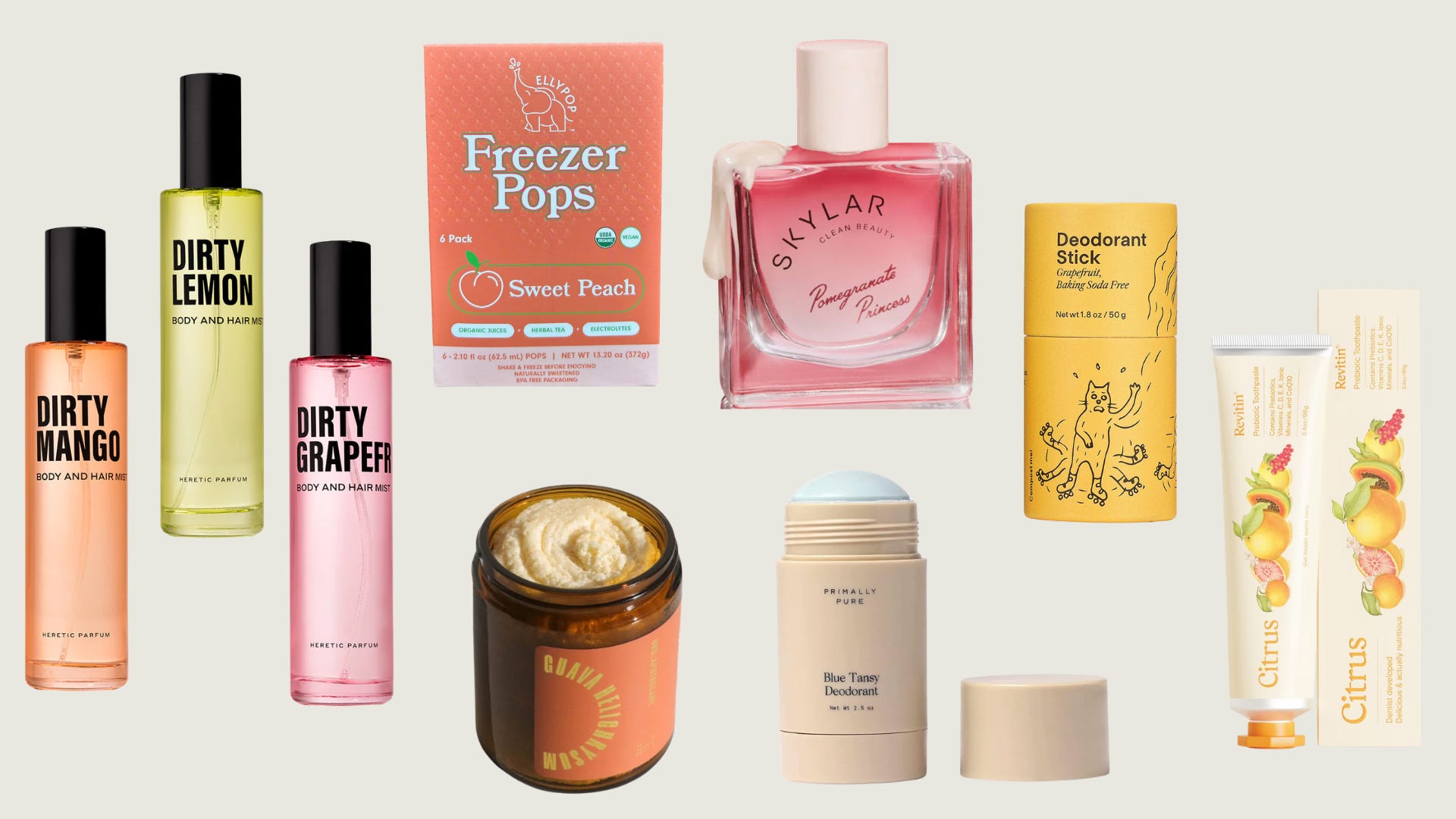
It’s giving: girly-pop, boardwalk strolling, giggling with your friends
Primally Pure Blue Tansy Collection (10% code: detoxyourdome)
Ocean:
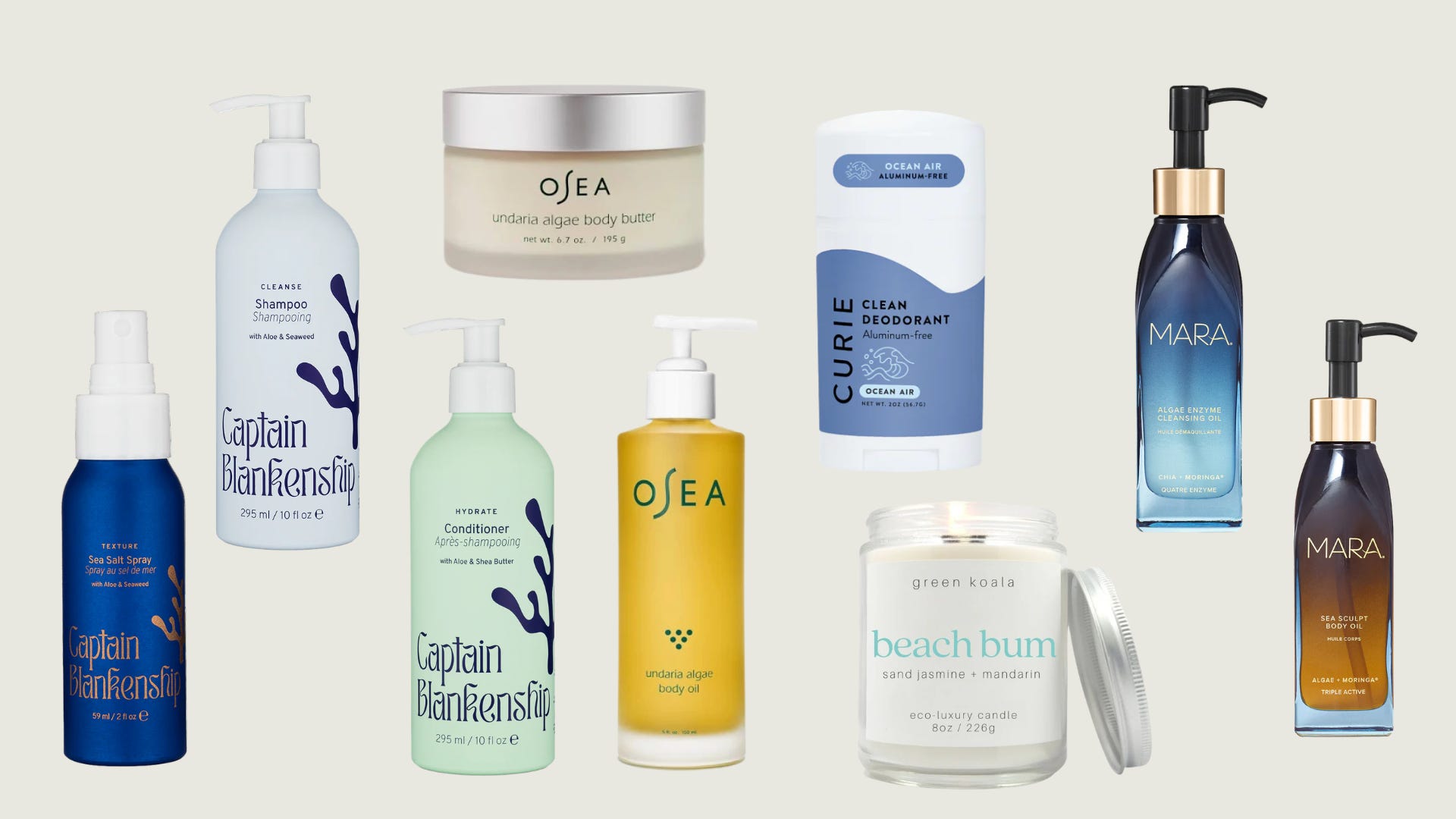
It’s giving: coastal chic, your aunt’s beach house, linen pants, golden hour
FDA Approves New Sunscreen Filter
…for the first time in more than 25 years.
What does this mean? Why did it take so long? Let me break it down for you ⬇️
In Europe and Asia, this filter has been used since the early 2000s, so globally it’s not “new”… just new in the U.S.
Bemotrizinol (also called BEMT) has been in international sunscreens for about 25 years. You might see it as Tinosorb® S internationally, and in the U.S. it will be sold to brands under the name PARSOL® Shield.
Chemical or Mineral? Non-toxic?
This is a chemical sunscreen filter that’s … clean? (I see you scratching your head). But according to the EWG, the approval of this filter is a major win:
It has lower skin absorption than chemical filters we currently use in the U.S.
It is more photostable than many older filters: it breaks down much more slowly in sunlight and typically doesn’t need as many additional stabilizers.
It covers UVB, UVA2, and UVA1: giving broad‑spectrum protection across the range linked to burns, photoaging, and skin cancer.
It has low systemic exposure: the data FDA reviewed show very low levels in the blood at approved use levels, and advocacy groups that have raised concerns about filters like oxybenzone consider BEMT’s safety profile comparatively strong.
I myself am not a scientist nor a medical professional. I take guidance from industry experts like the EWG. I’m currently looking for an expert to interview on my podcast so we can get science-backed, clear guidance on what this filter means for us conscious consumers!
It will still be a bit before you see BEMT in U.S. sunscreens: companies can start formulating with it after August 9, 2026 and DSM‑Firmenich manufacturer gets about 18 months of exclusive rights to sell this filter under PARSOL® Shield.
In the meantime, here are my current favorites that already offer strong, photostable protection:
Badger Mineral Sunscreen Cream - favorite lotion
Babo Botanicals Sheer Zinc Spray - favorite spray
Well People Day Gleamer - #1 face SPF
Mad Hippie Daily Protective Serum - #2 face SPF
Are Ticks Really On The Rise?
Short answer - yes. Tick populations are expanding across the U.S. and, consequently, so is the amount of tick-borne illness. Warmer winters, shorter frost periods, and increased humidity are creating ideal conditions for ticks to survive year-round instead of dying off seasonally.
How To Repel Them (Naturally)?
If you’re trying to reduce exposure without immediately reaching for conventional repellents, there are a few plant-basaed, evidence-backed options.
Oil of lemon eucalyptus (PMD): One of the most effective plant-derived options; shown to perform comparably to lower concentrations of DEET in some studies.
Cedarwood oil: Disrupts tick pheromones and can help deter attachment.
Geraniol (from rose or citronella): Has demonstrated repellent activity against ticks in controlled settings.
Neem oil: Offers mild repellent effects, though typically shorter-lasting.
My fav is Badger Anti-Tick Spray.
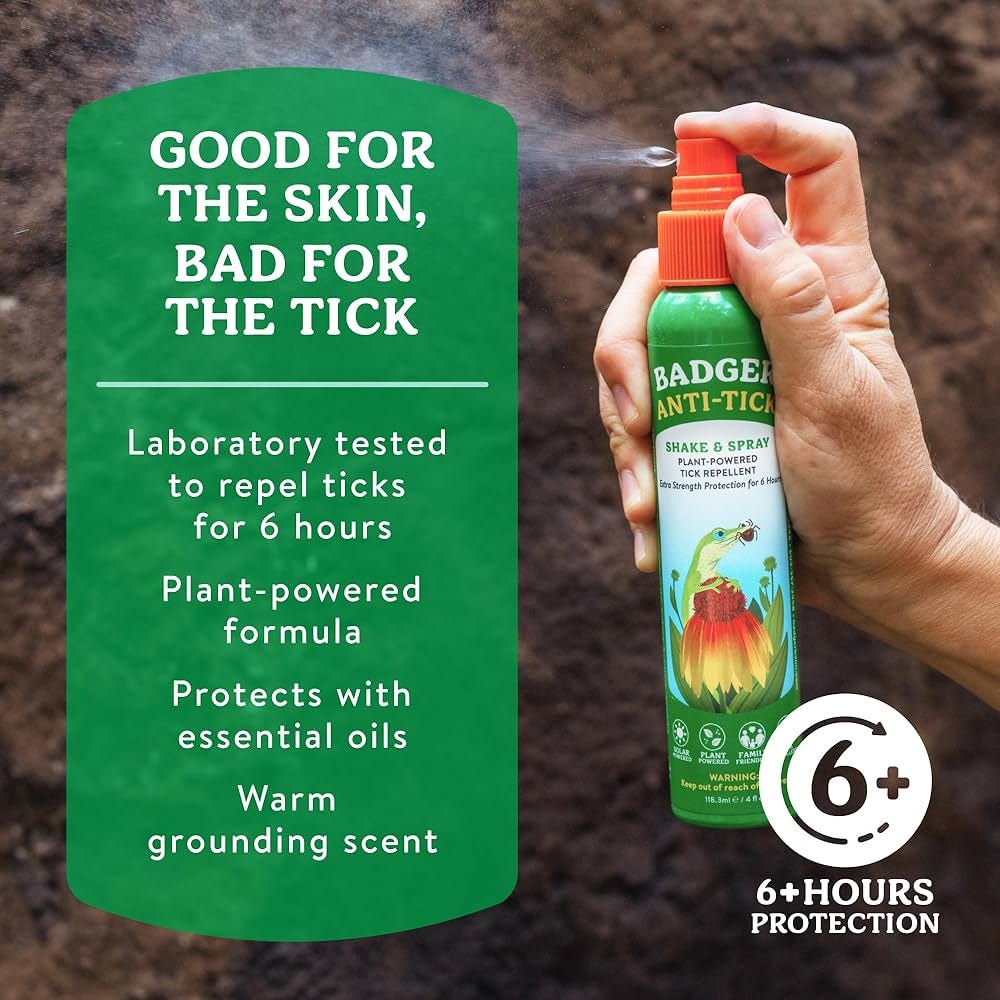
**Natural doesn’t automatically mean long-lasting. Most botanical repellents require more frequent reapplication.
Tick exposure is becoming a more regular part of outdoor life in many areas of the U.S. A layered approach (repellent, clothing barriers, and quick checks) gives you meaningful protection without defaulting to the most aggressive chemical options.
LGBTQIA+ Owned Non-Toxic Brands
Happy Pride Month! 🏳️🌈
Well People - Clean, EWG-verified makeup and skincare led by co-founder Shirley Pinkson. (Try the Daygleamer, you won’t be dissapointed).
Mara Beauty - Founder Allison McNamara built Mara around a single idea: a wild-harvested algae blend, hand-collected off the coasts of Ireland and France. Minimalist, results-driven, clean. Available at Credo and Sephora.
Jackfir - After Charlie’s recovery from Leukemia he built this elevated, EWG verified skincare brand for men. Listen to our podcast episode with Charlie here! Jackfir is now available at Credo (and Dome!)
JVN Hair - Founded by Jonathan Van Ness of Queer Eye, JVN is clean haircare built around hemisqualane. Gender-neutral, fragrance-transparent and made for every hair type.
Detox Your Dome & Dome! We are proudly queer owned and happy to represent that conscious living is for everyone.
The BEMT breakdown is really useful. 25 years in Europe before FDA approval, and we're just getting it now.
The "chemical but comparatively clean" framing is worth sitting with. Chemical = bad is such a sticky shortcut in this space, and BEMT kind of breaks that heuristic.
Are you planning to swap to it once products start showing up after August, or staying with mineral until there's more U.S. data?